
The full story
The neighbours, the financial risk, the insurance dispute, the roof works—and the AI mistake that led to LEASE-iQ.
Download audio · Download transcript
Read the long transcript
The story behind Building Trust. Told from the perspective of its founder, Adam Street.
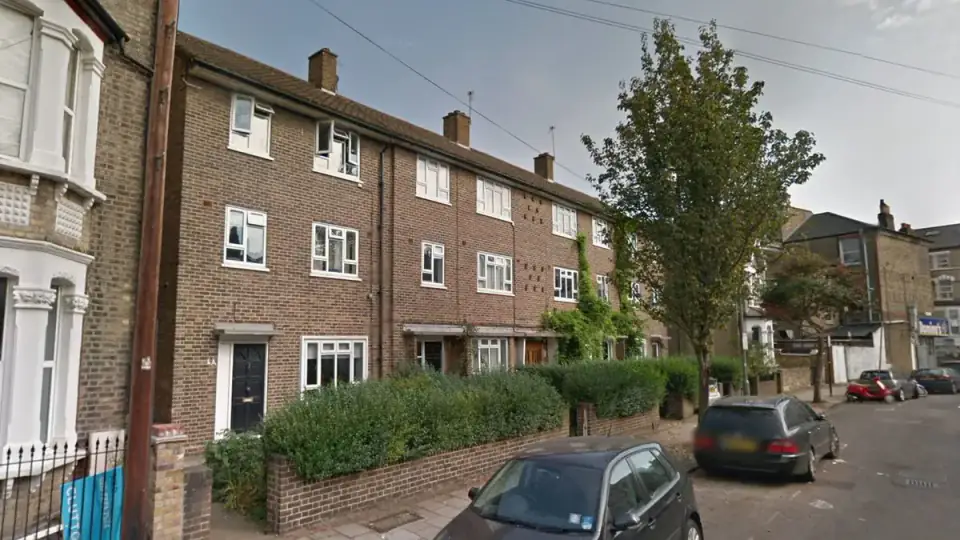
In January twenty fifteen, we knocked down the building we'd been living in.
I'd helped persuade the neighbours that we could replace it with better homes, and build additional flats to help pay for them. Now the old building was coming down, and we had to deliver.
I later told the Evening Standard: “I knew that if I screwed this up, the people who'd trusted me would have nowhere to live.”
That was the responsibility. These were our neighbours. This was where we lived.
Long before Building Trust or Lease IQ, there was Hafer Road.
My grandmother had lived there. My parents had lived there. I wanted to bring up my own family in the place I'd known growing up.
Before we could build anything, we borrowed a hundred and fifty thousand pounds between us just to get to planning. That money was at risk. We had a shareholders' agreement to work through, planning to secure and neighbourhood objections to deal with.
Then we borrowed six million pounds to build it.
The new homes were completed in twenty sixteen. We'd done it. We had our homes, and we still had our community.
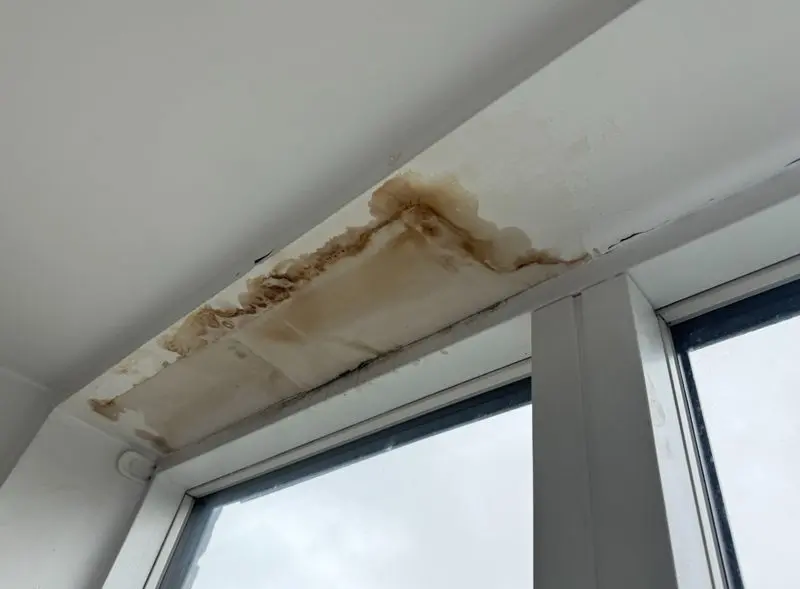
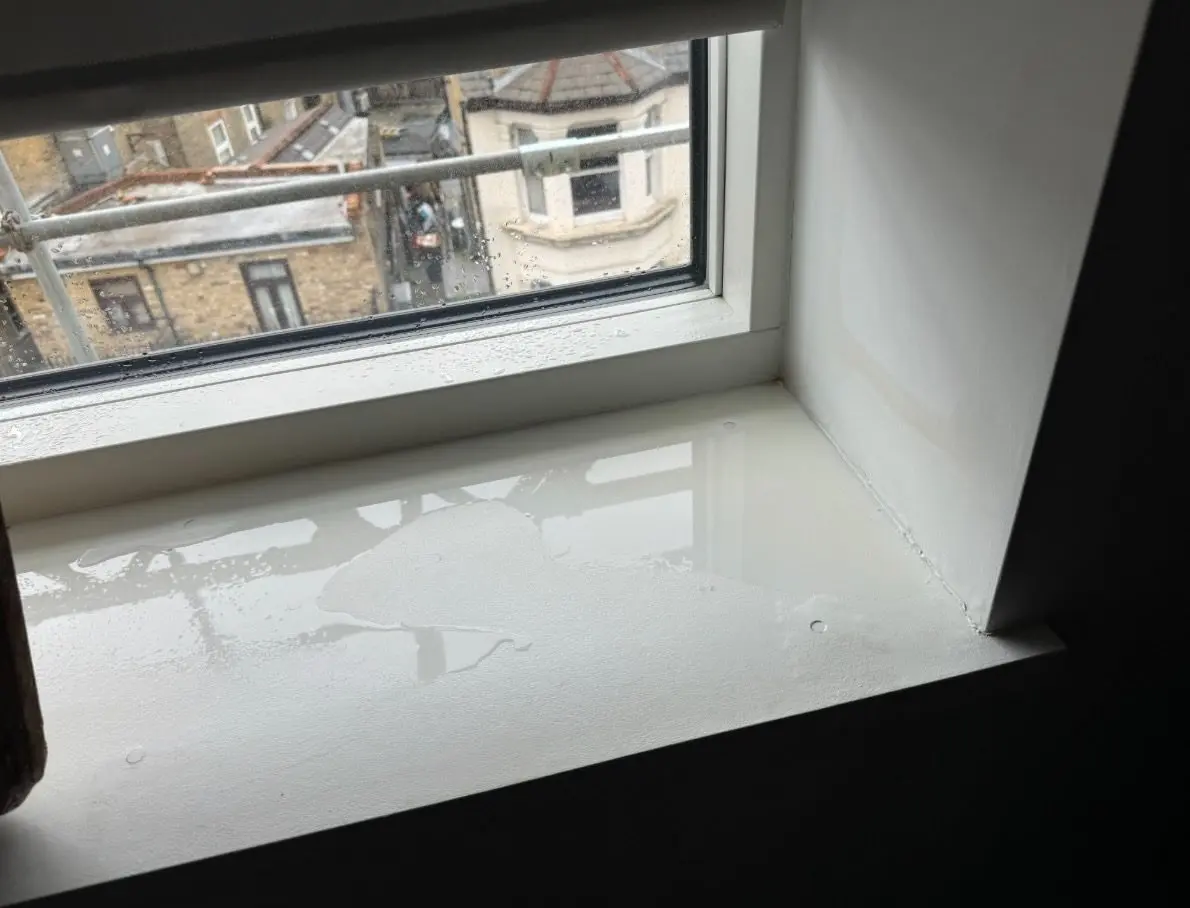
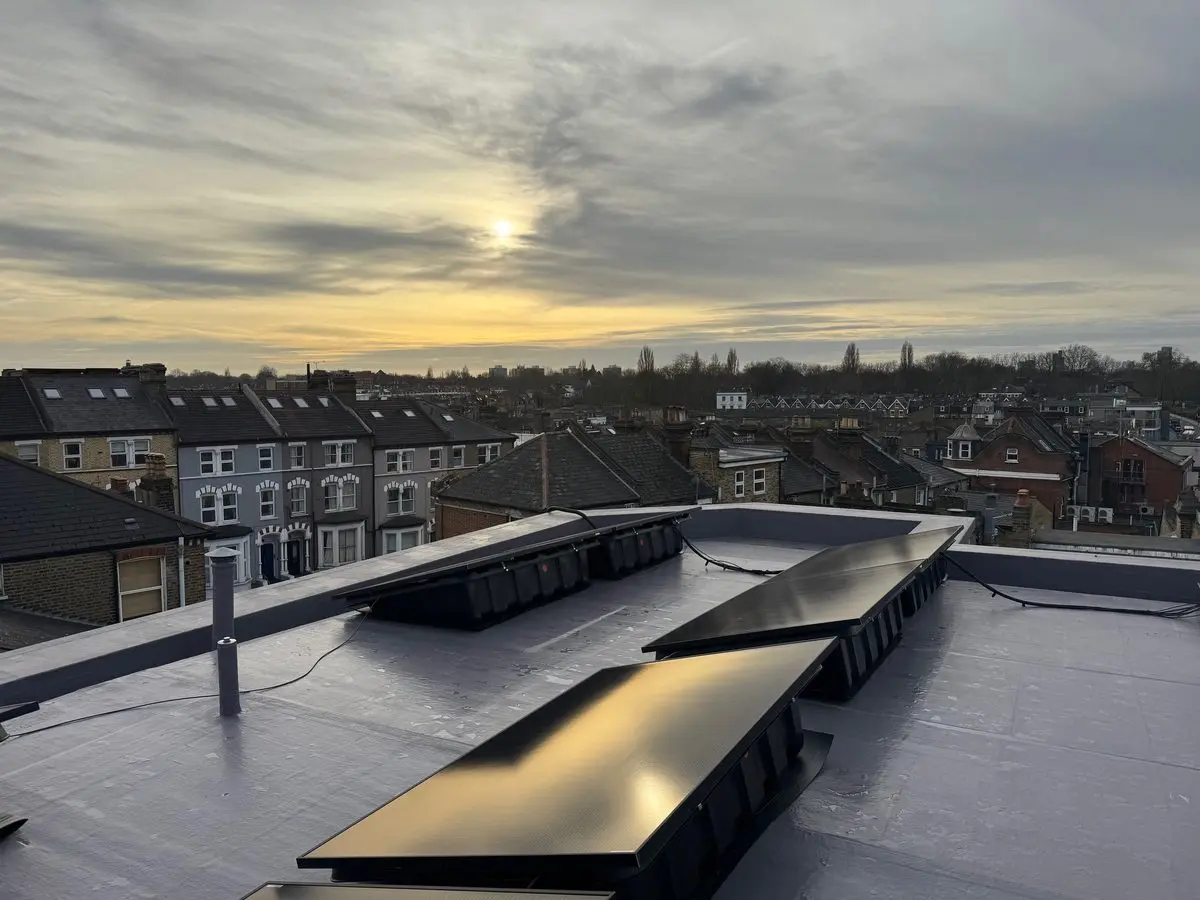
Then, a few years later, the roof started leaking.
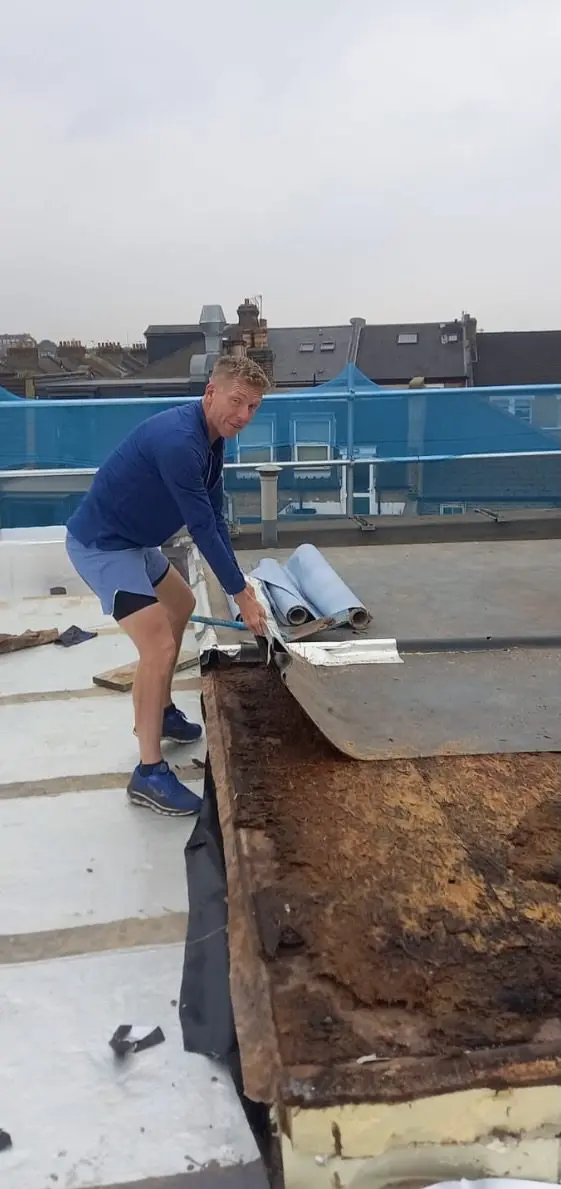
There were earlier claims and repairs, but the problems continued. Eventually we were dealing with a much larger failure of the roof and terrace waterproofing.
We had a ten-year structural warranty through Build-Zone, with AmTrust as the insurer. The main claim was declined. The insurer relied on exclusions, including wording about humidity and condensation. We challenged the refusal.
Meanwhile, the building still needed fixing.
We had borrowed six million pounds to build our homes. Now, putting the roof right was a project of roughly six hundred thousand pounds. Across sixteen homes.
And the costs weren't split equally. The leaseholders' shares ranged from four point one to twelve point six per cent. On a six-hundred-thousand-pound project, that is roughly twenty-four thousand six hundred pounds at one end, and seventy-five thousand six hundred pounds at the other. Before insurance.
That gives you the scale of what was at stake. What each person would actually have to find depended on their share, the final costs and their insurance.
For me, it felt like personal financial Armageddon.
I held three leases in that block. I lived there. The worry about the damage and the money was mine too. But I was also a director of the freehold company, helping run the building.
I wanted somebody to sort it out. I was the person responsible for sorting it out.
There were technical reports to understand, replies to chase and decisions to explain to the neighbours. Sometimes I was trying to answer their questions while still trying to get answers myself.
That's a position managing agents will recognise. People need certainty. You're dealing with a process that isn't giving you any.
And our neighbours weren't all in the same financial position. Some were insured. Two had lost their warranty cover when their insurer failed. We needed one roof repaired, but what that meant for each household was very different.
As a director, I couldn't simply choose the answer that suited me as a leaseholder. I had to work through what the lease required, how the building would be repaired and how the costs would be handled. The company's finances, records and other responsibilities still needed attention throughout.
It was one of the most stressful things I've ever done.
During that dispute, I began using generative AI. It helped me organise the history, compare documents, work through the policy wording and prepare responses. I could bring together information that had been scattered across reports and correspondence, and use it to challenge the insurer's position.
We also had an independent survey and a King's Counsel's opinion. They mattered. AI helped me work with the evidence. It couldn't inspect the roof, and I still had to check what it produced.
In June twenty twenty-four, the structural repair claim was settled for about five hundred and seventy-six thousand pounds.
We could get on with repairing the building.
I logged roughly two thousand six hundred hours against the claim and associated works. When I think about that, I think about the person who hasn't got that time, or the professional background, or the energy to keep pushing.
There is another part of the story. We later took a complaint about the handling of the claim and our consequential losses to the Financial Ombudsman Service. That complaint was not upheld in March twenty twenty-six. I challenged how it had been handled. The repair settlement and that later complaint had different outcomes.
And securing the repair money was only part of the job.
We still had the Section twenty consultation, the tenders, the contractor and the roofing consultant. As the work progressed, there were changes to assess and neighbours to keep informed.
We used AI to help work through proposed variations. What was changing? Why was it needed? What would it cost? What should we check with the consultant before agreeing?
Those questions gave us a clearer basis for discussion. The contractor and consultant brought their expertise. My fellow directors and neighbours contributed their time. Together, we got the work done.
The December project report records about seventy-five thousand pounds of additional works, including VAT, and delivery under budget. Our February update to leaseholders put the projected final cost around twenty per cent below the original Section twenty notice budget, with some minor works remaining.
We'd changed parts of the scope and worked carefully through the choices. It was a better outcome for the building, achieved by people working together with better information.
But alongside all of this, a lease dispute taught us a different lesson.
Of the two leaseholders who'd lost their warranty cover, one paid their contribution. The other disputed it and instructed a solicitor.
We used generative AI to interpret the lease. By then, we'd seen how useful it could be. We thought we were using it carefully. We were confident we'd understood the answer.
We hadn't. Their solicitor spotted the mistake.
It wasn't the end of the case. But it could have been much more serious. The answer sounded convincing. The problem was in the reading of the actual agreement.
That's what led to Lease IQ.
If someone asks why they're being charged, they should be able to see the lease wording behind the answer. They should be able to open the original page, check the relevant legislation and ask a follow-up question. Where something is uncertain, or needs professional advice, that should be clear too.
That helps the leaseholder understand the bill. It gives the managing agent a basis for explaining it. And it helps the freeholder or resident director understand the responsibilities behind the decision.
The wider experience is shaping Block IQ as well: keeping a building's documents, responsibilities and decisions connected, so the next director can understand what happened without reconstructing years of history.
I'm still a leaseholder. I still help run the building. I write the service-charge cheque and help make the decisions behind it.
So when someone asks where the money's going, I understand why they need an answer. And when the person managing the building needs time to check the lease and the records, I understand that too.
I want both of them to have the evidence in front of them, and a better way to work through it.
We began by building better homes together. Now we're building better tools to help people look after them.