
Building records
A maintenance log is memory you can hand over.
Use a maintenance log to connect the first report, decision, contractor, cost, completion evidence and follow-up for the next director.
View the supporting illustration
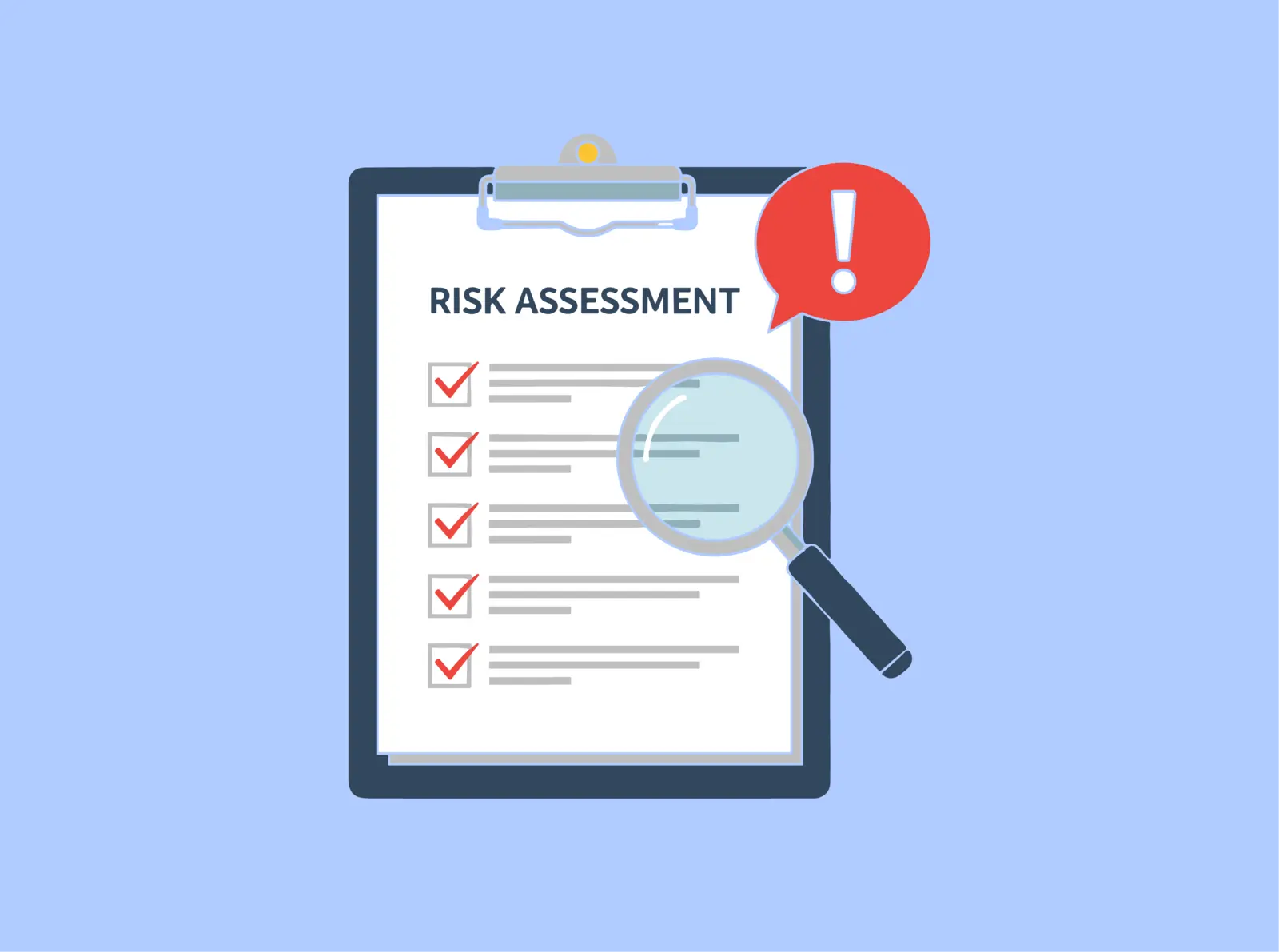
The minimum useful record
Log enough to understand the job later.
Reported date, work date and location
Record when the issue was first reported, where it occurred and when work actually took place.
Problem, category and scope
Describe the issue and classify the entry as reactive, planned, inspection or emergency work.
Reporter, decision-maker and contractor
Name who raised it, who authorised the response and who completed or inspected the work.
Quote, cost, VAT and invoice
Keep the approved amount, final amount, invoice reference and any reason for a difference.
Reports, photos and certificates
Link the documents rather than pasting conclusions into the log. Preserve the original files.
Completion, sign-off and next action
Record what was completed, who checked it, what remains open and the next review or inspection date.
Keep it alive
The record should move with the work.
Open an entry when the issue arrives
Give it a stable reference and link the first photograph, email or report.
Record the decision before instruction
Capture the agreed scope, authority, quote and any resident communication needed.
Update it when the facts change
Variations, delays, access problems and new technical advice belong in the same dated chain.
Close with evidence
Add the invoice, completion record, photographs, certificate and any warranty or future action.
Review open items together
Use a board or management review to chase overdue actions and remove entries that only look complete.
If the history is missing
Reconstruct openly. Never pretend the record was made at the time.
Start from source files
Use bank records, invoices, emails, reports, minutes, photographs and contractor records.
Separate event date from entry date
Record when the event appears to have occurred and when the reconstruction was made.
Mark the entry as reconstructed
A transparent later record is more useful than a backdated entry that cannot be trusted.
Keep uncertainty visible
List missing invoices, disputed dates and unverified completion instead of filling the gap with a guess.
Choose an owner for the live log
Make one person responsible for updates and one recurring review responsible for completeness.
Sources for this page
Check the law and official guidance.
The minimum building, money, authority and live-risk records a new board should find and test.
→Evidence methodThe verification standardHow building trust separates source records, facts, inference, uncertainty and decisions.
→Prepared by Adam Street, founder of building trust. Links and current-law position checked 18 August 2026. Apply the governing documents, building facts and current law to the case in front of you.
Take the next step in LEASE-iQ
Who repairs this part, and what still needs evidence?
Use this for a leak, failed window, roof, pipe, structure or disputed repair.
Copy questions for this issue
Keep checking: Stop and limit active damage first. LEASE-iQ cannot locate a leak or replace surveying and insurance evidence.