
In plain EnglishA specialist tribunal that decides certain residential property disputes. Its powers and procedure depend on the application.Read the official leasehold guide
Taking a leasehold dispute to a tribunal
Prepare for the Property Chamber in England: identify the decision needed, the parties, evidence, fees and costs. Wales has a separate tribunal route.
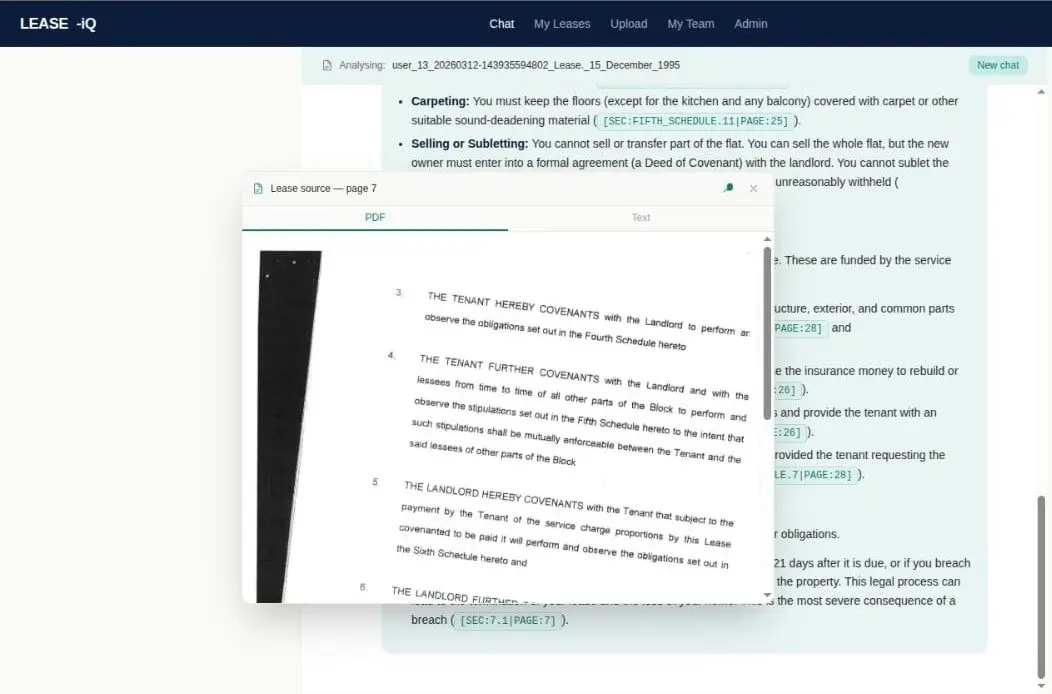
View the supporting illustration
Before applying
Check the right tribunal and application.
This guide describes the First-tier Tribunal (Property Chamber) in England. For a property in Wales, use the Residential Property Tribunal Wales ↗ and its forms and fees.
Which determination or order is needed?
Examples include service or administration charges, management matters, lease variation, In plain EnglishPermission from the First-tier Tribunal to dispense with some or all consultation requirements. It is not automatic and depends on the application and evidence.Read the consultation guidance, RTM and enfranchisement. Each has its own legal test.
Who must be an applicant or respondent?
Use the leases, titles, company and management structure to identify the parties. An agent may hold evidence without being the legal respondent.
Which form and precondition apply?
Use the current HMCTS form finder and guidance. Some applications require notices, consultation, prior steps or a live statutory deadline.
Can the tribunal grant what you want?
Separate a determination, appointment, variation, dispensation or cost-limiting order from remedies that belong in a court or another forum.
Build the case
Organise the evidence around the questions to be decided.
State the issue and remedy precisely
Connect each question to the relevant lease wording, statutory route, dates and disputed amount or decision.
Use complete, legible source records
Include the executed lease, relevant notices, demands, accounts, invoices, reports, correspondence and decisions without hiding unhelpful material.
Separate facts, evidence and argument
Say who knows each fact, where the supporting document sits and which points are inference or legal submission.
Record and meet the tribunal's deadlines
Record who will handle service, statements, expert evidence, the bundle, hearing arrangements and fees, and when each step is due.
Record any agreement clearly
A negotiated result may still need a consent order or another formal step. Do not assume an email exchange disposes of the proceedings.
Fees and costs
Understand the fees and possible costs.
Use the current form and fee table
Property Chamber fees changed on 13 July 2026. Check the current form and fee guidance for your application and hearing. Help with Fees ↗ may be available.
Budget for preparation and professional help
Time, valuation, expert and legal costs can exceed the tribunal fee even when a party represents itself at the hearing.
Costs powers and conduct still matter
The tribunal has defined costs powers, including in cases of unreasonable conduct. The test and amount depend on the rules and case.
Check whether legal costs may be charged elsewhere
A lease may allow a landlord to recover legal costs. Ask whether to apply for a section 20C order limiting recovery through service charges, and an order under Schedule 11 paragraph 5A limiting an administration charge for litigation costs in England. These protections are not automatic; check the application form and ask for the relevant order.
A decision is not reopened by disagreement
Permission, forum and deadlines apply to appeals. Read the decision and current appeal guidance promptly.
Sources for this page
Check the law and official guidance.
The current HMCTS overview of Property Chamber jurisdictions and application routes.
↗Official formsResidential Property formsThe current form collection for leasehold management, RTM, lease variation, dispensation and other applications.
↗Official guidanceService charges and management matters T541Current guidance on applications, evidence, directions, hearing and the tribunal process.
↗Current feesJuly 2026 court and tribunal fee updateThe Ministry of Justice announcement of the revised Property Chamber fee framework from 13 July 2026.
↗Tribunal rulesRule 13: orders for costsThe tribunal's current costs power, including wasted costs and unreasonable conduct.
↗Official sourceSection 20C: legal costs through service chargesThe court or tribunal can limit recovery where it considers an order just and equitable.
↗Official sourceSchedule 11 paragraph 5A: litigation administration chargesApplications concerning a dwelling in England to reduce or extinguish this charge.
↗Prepared by Adam Street, founder of building trust. Links and current-law position checked 9 October 2026. Apply the governing documents, building facts and current law to the case in front of you.